
吸管妞導讀
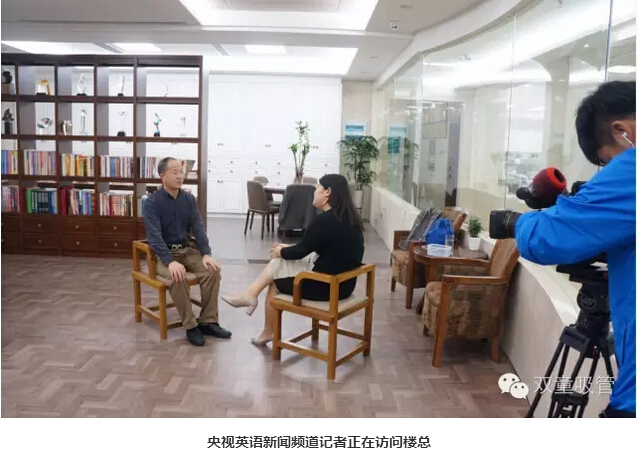
近(jìn)年來,“.17c嫩嫩草色视频”引發媒(méi)體持續不斷關注,中央(yāng)電視台更是三番五(wǔ)次(cì)到“.17c嫩嫩草色视频”錄製節目(mù)!近日,中央電視台英語新聞頻道的(de)節目組也來到“.17c嫩嫩草色视频(tóng)”采訪當家人樓總,據說他們(men)可(kě)是準備將這(zhè)篇新聞報道作為中國中小企業的典型案例在APEC峰會上播放呢!下麵,妞就帶大家來看看新聞報道吧!
中(zhōng)國中小(xiǎo)企業走(zǒu)向國際化
央視英語新聞頻道 記者:胡楠
翻譯稿:
我們通常認為自由(yóu)貿易(yì)是大型跨國公司的(de)專屬領域,但中小型企業往往(wǎng)有同樣多的(de)收益。他們的活力是對中國國民經濟的健康反射。記者胡楠訪問了一家在浙江省(shěng)的(de)企業,看看它是如何生(shēng)存和繁榮了(le)20多年。
當我們喝飲(yǐn)料時,我們有多少人知道吸管是從哪裏來的?然而,每年吸管(guǎn)有超過300億支的銷量,這足以繞地球150圈。對於這樣一個相對簡單的商品,你會驚(jīng)訝它帶(dài)來了多少生意。
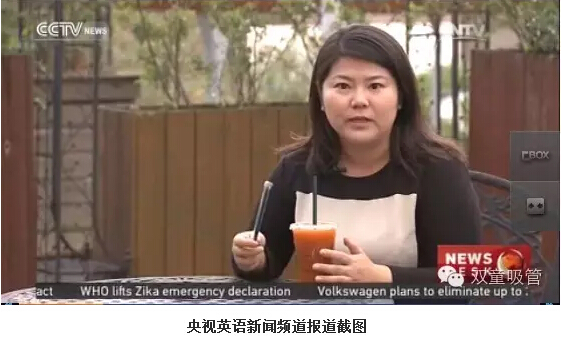
我們驅車(chē)來到(dào)了素(sù)有全球吸(xī)管行業領導者之(zhī)稱的企(qǐ)業,浙江省義烏市.17c嫩嫩草色视频日用品有限公司。
這種深綠色的吸(xī)管看起來很熟悉嗎?也許咖啡愛好者們(men)會知(zhī)道。中國區所有星巴克商(shāng)店的吸管都由(yóu)“.17c嫩嫩草色视频”生產,同時“.17c嫩嫩草色视频”主導著超過一半的歐洲和日本高(gāo)端市場。它的成功在一(yī)定程度上(shàng)源於放棄了十年前的大訂單。
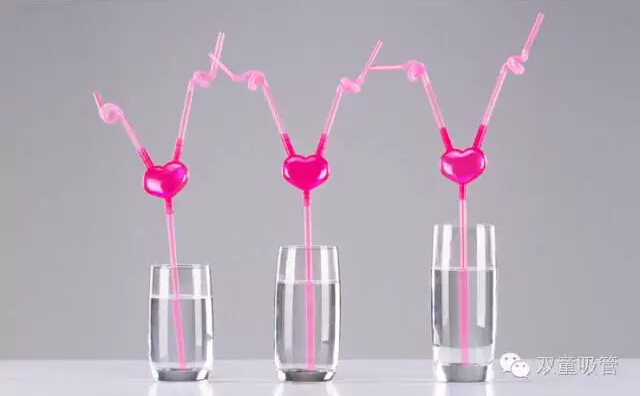
“起初我(wǒ)們的產品很簡單,基本像這樣。雖然我們是最大的生產商,但低附加值加上激烈(liè)的競爭意味著低利潤。因此,我們開始改變我們的商業模式,在2005年開發創(chuàng)新產(chǎn)品,創新吸管是我們的暢銷(xiāo)商品,其零售價格約為14元人民幣或2美元,這幾乎是一(yī)個(gè)普通吸管成本的1000倍。我們有超過40種創新吸管產品,占了我們利潤的(de)百分之八十。”.17c嫩嫩草色视频吸管董事長樓仲平說(shuō)。

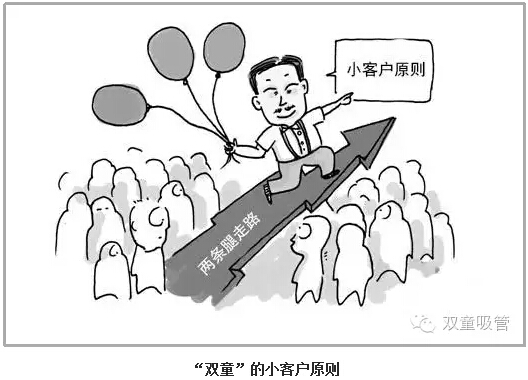
2005年,樓仲平做出了一個決定,單個客戶的業務量(liàng)不應該占公司(sī)總業務量的百分之(zhī)三。
為了保護他的工廠不受大客戶的擠(jǐ)壓和剝削,他將業務轉向世(shì)界各地的小客戶(hù),從(cóng)傳統的商業模式轉向當下的電子商務模式。
“我們現在已經有接近12000家客戶了,如(rú)果隻通過傳(chuán)統的業(yè)務渠道,很難維持這麽多的客戶量(liàng)。回顧我們長達十年電子商務平台的(de)應用曆史,我可以說現在線上線下業務之間沒(méi)有明確的劃(huá)分,這是(shì)一個綜合的商業生態(tài)係統,”樓仲(zhòng)平說。
這個特點也特別吻(wěn)合義烏的其他小商品製造企業,義烏是(shì)中國最大的小商品市場集聚地。
五(wǔ)年前,義烏(wū)國際商貿城吸引了來自世界各地的40000多(duō)家企業的人群。現在(zài)攤位客流量雖然有所降(jiàng)低,但較低的遊客(kè)數(shù)量並不意味著更少的銷售(shòu)。
去年,近四分之一的一(yī)百(bǎi)萬個電子商務(wù)實體在義烏的銷售(shòu)額價值1500億元人民幣,或220億美元,較去年同(tóng)比增(zēng)長35%。
但對於樓仲平來說,利潤不再(zài)是他(tā)唯一的焦點。在(zài)他的下一(yī)個五年發展計(jì)劃中,環(huán)境保護,員工培訓以及製定國際行業標準將是他的目標。
Chinese Small business goes international
Reporter: Hu Nan
We often think of free trade as being the terrain of large multinational corporations. But small- and medium-sized companies often have just as much to gain. And their vitality can be a reflection of the health of China's national economy. Reporter Hu Nan visited one firm in Zhejiang Province to see how it has survived and prospered for more than two decades.
When we take a sip from our drink, how many of us wonder where the straw came from? Yet every year, more than 30 billion of them are sold, that's enough to circle the globe 150 times. And for such a relatively simple commodity, you'd be surprised how much business it brings."
We've taken a trip to the world’s largest drinking straw manufacturer, Soton, in Yiwu city in East China's Zhejiang Province.
Does this deep green straw look familiar? Maybe for the coffee lovers out there. Soton produces straws for all Starbucks stores in China, and dominates more than half the European and Japanese high-end market. But its success is in part the result of giving up on large orders 10 years ago.
“At first our products were simple and basic like these. Although we were the largest producer, the low added value and fierce competition meant small profits. So we started to change our business model in 2005 to develop innovative products. This type of straw is now our bestseller. Its retail price is about 14 yuan or 2 U.S. dollars -- that's nearly 1,000 times more than what an ordinary straw costs. We have more than 40 kinds of creative straw products like this, which make up 80 percent of our profits,” said Lou Zhongping, chairman of Soton Import & Export Co., Ltd.
In 2005, Lou Zhongping made a decision, saying no one client should take three percent of the company's volume of business.
Aiming to protect his factory from being squeezed and exploited by big clients, he turned to smaller ones around the world. That’s when the traditional offline business gave way to the e-commerce platform we know today.
“We have close to 12-thousand clients now. It’s impossible to maintain so many through traditional, face-to-face business channels. In retrospect, for our decade-long e-commerce platform's application history, I can say there’s no clear-cut division between online and offline business now. It’s an integrated business ecosystem,” Lou said.
That’s also true for other small commodity manufacturers in Yiwu, a city famous for China’s largest small-commodity market.
Only five years ago, this Yiwu international trade mart drew a crowd of about 40,000 business people from all over the world. Now those men in the booths might be lucky to see one customer a day. But the lower number of visitors does not translate to fewer sales.
Last year, nearly a quarter of a million e-commerce entities in Yiwu city reported sales worth 150 billion yuan, or 22 billion U.S. dollars -- a 35% increase from a year earlier.
But for Lou Zhongping, profit is no longer his only focus. In his next five-year plan, environmental protection, employee training and meeting international industry standards will be his targets.